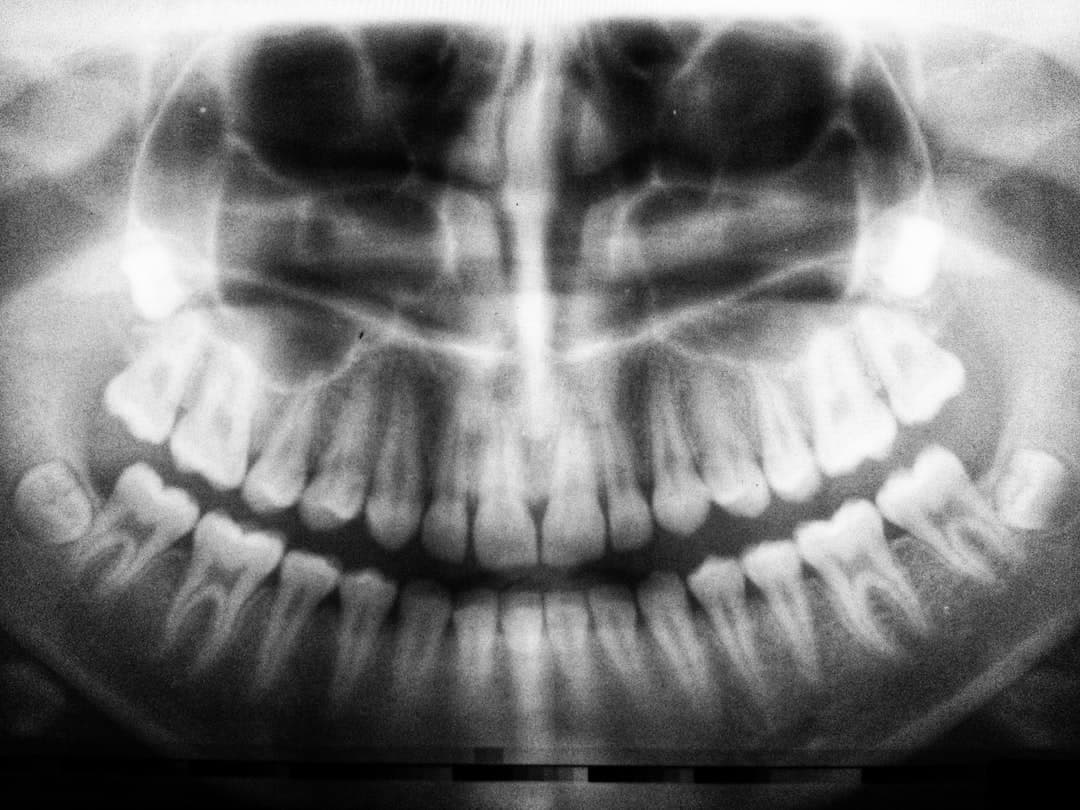

Patient education plays a crucial role in healthcare marketing. It is not enough for healthcare providers to simply diagnose and treat patients; they must also educate them about their conditions, treatment options, and self-care practices. Patient education is essential for improving patient outcomes and satisfaction. When patients are well-informed, they are more likely to actively participate in their own care, adhere to treatment plans, and make informed decisions about their health.
Key Takeaways
- Patient education is crucial in healthcare marketing.
- Educating patients leads to happier clients and improved outcomes.
- Understanding the patient mindset empowers patients through education.
- Leveraging patient education builds trust and credibility with clients.
- Effective patient education materials require tips and best practices.
The Benefits of Educating Patients: Happy Clients and Improved Outcomes
One of the key benefits of patient education is improved patient outcomes. When patients understand their conditions and treatment plans, they are more likely to follow through with recommended treatments and make necessary lifestyle changes. This leads to better health outcomes and reduced healthcare costs in the long run.
Patient education also leads to increased patient satisfaction. When patients feel empowered with knowledge about their health, they are more likely to feel confident in their healthcare providers and satisfied with the care they receive. This can lead to positive word-of-mouth referrals and repeat business for healthcare providers.
There are many successful examples of patient education programs that have improved patient outcomes and satisfaction. For example, the American Heart Association’s “Heart360” program provides patients with educational resources and tools to manage their heart health. The program has been shown to improve blood pressure control and reduce hospital readmissions for heart failure patients.
Understanding the Patient Mindset: Empowering Patients through Education
In order for patient education to be effective, it is important to understand the patient mindset. Patients often feel overwhelmed and confused by medical jargon and complex treatment plans. They may also feel anxious or fearful about their health condition.
Patient education can help empower patients by providing them with the knowledge and tools they need to take control of their health. By explaining medical concepts in plain language, healthcare providers can help patients better understand their conditions and treatment options. This can reduce anxiety and increase confidence in making decisions about their health.
Leveraging Patient Education to Build Trust and Credibility with Clients
Patient education is not only important for improving patient outcomes and satisfaction, but also for building trust and credibility with clients. When healthcare providers take the time to educate their patients, it shows that they care about their well-being and are invested in their health.
By providing accurate and reliable information, healthcare providers can establish themselves as trusted sources of healthcare knowledge. This can lead to increased patient loyalty and referrals. Patients are more likely to trust healthcare providers who take the time to educate them and involve them in their own care.
There are many examples of healthcare providers who have successfully used patient education to build trust with clients. For example, Mayo Clinic’s patient education website provides patients with access to a wide range of educational resources, including videos, articles, and interactive tools. This has helped establish Mayo Clinic as a trusted source of healthcare information and has led to increased patient loyalty.
Creating Effective Patient Education Materials: Tips and Best Practices
Creating effective patient education materials is essential for ensuring that patients understand and retain the information provided to them. Here are some tips and best practices for creating effective patient education materials:
1. Use clear and concise language: Avoid using medical jargon or complex terminology. Use plain language that is easy for patients to understand.
2. Use visuals: Visual aids such as diagrams, charts, and illustrations can help patients better understand complex concepts.
3. Provide actionable information: Give patients practical advice and tips that they can easily implement in their daily lives.
4. Tailor the information to the patient’s needs: Consider the patient’s age, literacy level, cultural background, and preferred learning style when creating educational materials.
5. Use multiple formats: Provide information in a variety of formats, such as written materials, videos, and interactive tools, to accommodate different learning preferences.
The Role of Technology in Patient Education: Innovative Tools and Strategies

Technology plays a crucial role in patient education. It provides healthcare providers with innovative tools and strategies to effectively educate patients. Here are some examples of how technology can be used in patient education:
1. Mobile apps: Mobile apps can provide patients with access to educational resources, reminders for medication or appointment schedules, and tools for tracking their health progress.
2. Telehealth: Telehealth allows healthcare providers to remotely educate and monitor patients through video consultations and virtual visits.
3. Virtual reality: Virtual reality can be used to create immersive educational experiences, such as virtual tours of the human body or simulations of medical procedures.
4. Online platforms: Online platforms, such as patient portals or educational websites, can provide patients with access to a wide range of educational resources and tools.
Using Social Media to Educate Patients and Build Brand Awareness
Social media platforms provide healthcare providers with a powerful tool for educating patients and building brand awareness. Here are some ways that social media can be used for patient education:
1. Sharing educational content: Healthcare providers can use social media to share educational articles, videos, infographics, and other resources with their followers.
2. Answering patient questions: Social media platforms provide a space for patients to ask questions and receive answers from healthcare providers in real-time.
3. Hosting live events: Healthcare providers can host live Q&A sessions or webinars on social media platforms to educate patients on specific topics.
4. Engaging with patients: Social media allows healthcare providers to engage directly with patients, respond to their comments and concerns, and build relationships.
There are many successful examples of social media campaigns for patient education. For example, the American Cancer Society’s “Choose You” campaign uses social media platforms to raise awareness about cancer prevention and early detection. The campaign encourages women to take charge of their health by making healthy lifestyle choices and getting regular screenings.
Measuring the Impact of Patient Education on Client Satisfaction and Loyalty
Measuring the impact of patient education on client satisfaction and loyalty is essential for evaluating the effectiveness of patient education programs. Here are some strategies for measuring the impact of patient education:
1. Surveys: Conducting surveys can help gather feedback from patients about their satisfaction with the educational materials and their perceived impact on their health.
2. Tracking outcomes: Tracking patient outcomes, such as adherence to treatment plans, hospital readmission rates, or improvements in health markers, can provide objective measures of the impact of patient education.
3. Analyzing patient feedback: Analyzing patient feedback, such as online reviews or comments on social media, can provide insights into the perceived value of patient education efforts.
4. Monitoring patient engagement: Monitoring patient engagement with educational materials, such as website traffic or app usage, can provide insights into the effectiveness of patient education programs.
There are many successful examples of measurement strategies for patient education. For example, the Centers for Disease Control and Prevention (CDC) uses a variety of metrics to measure the impact of its educational campaigns, including changes in knowledge, attitudes, and behaviors related to specific health topics.
Collaborating with Healthcare Providers to Enhance Patient Education Efforts
Collaboration with healthcare providers is essential for enhancing patient education efforts. By working together, healthcare providers and patient education programs can ensure that patients receive consistent and accurate information about their health.
Collaboration can take many forms, such as sharing educational resources, co-creating educational materials, or referring patients to each other’s services. By collaborating, healthcare providers and patient education programs can leverage each other’s expertise and resources to provide comprehensive and effective patient education.
There are many successful examples of collaborations between healthcare providers and patient education programs. For example, the American Diabetes Association partners with healthcare providers to offer diabetes self-management education programs. These programs provide patients with the knowledge and skills they need to manage their diabetes effectively.
The Power of Informed Patients in Driving Business Success
In conclusion, patient education plays a crucial role in healthcare marketing. It improves patient outcomes and satisfaction, builds trust and credibility with clients, and drives business success for healthcare providers. By empowering patients through education, healthcare providers can help them take control of their health and make informed decisions about their care.
Creating effective patient education materials, leveraging technology, using social media, measuring the impact of patient education, and collaborating with healthcare providers are all important strategies for successful patient education efforts. By implementing these strategies, healthcare providers can ensure that their patients are well-informed and engaged in their own care, leading to improved outcomes and increased patient satisfaction.
Patient education is a crucial aspect of healthcare marketing, as it not only empowers patients but also leads to happier clients. In a recent article by PRACPROS, they discuss the benefits of using a full-service digital marketing agency in the healthcare industry. The article highlights how such agencies can help healthcare providers effectively communicate with their patients through various channels, including video content. This aligns with the growing trend in digital marketing, where video content has become an essential tool for engaging and educating patients. To learn more about the advantages of utilizing a full-service digital marketing agency in patient education, check out the article video marketing for dentists.
Our in-office marketing for dental practices turns patient education into referrals.